
"I have diabetes. Can I get implants?" People with chronic conditions or who have taken medication for a long time often have this worry before implant surgery.
Hello. I'm Dr. Park Ji-ho, a board-certified oral and maxillofacial surgeon at Yonsei Gunho Dental Clinic in Jamsilsaenae.
Having diabetes or high blood pressure does not mean you have to give up on implants altogether. However, the surgical plan should differ depending on how well your current condition is controlled and what medications you take.
1. Can I get implant surgery if I have diabetes?
If blood sugar is adequately controlled, implant surgery can be considered for patients with diabetes. On the other hand, if blood sugar is poorly controlled, wound healing may be delayed and the risk of infection may increase, so your blood sugar status needs to be checked first.
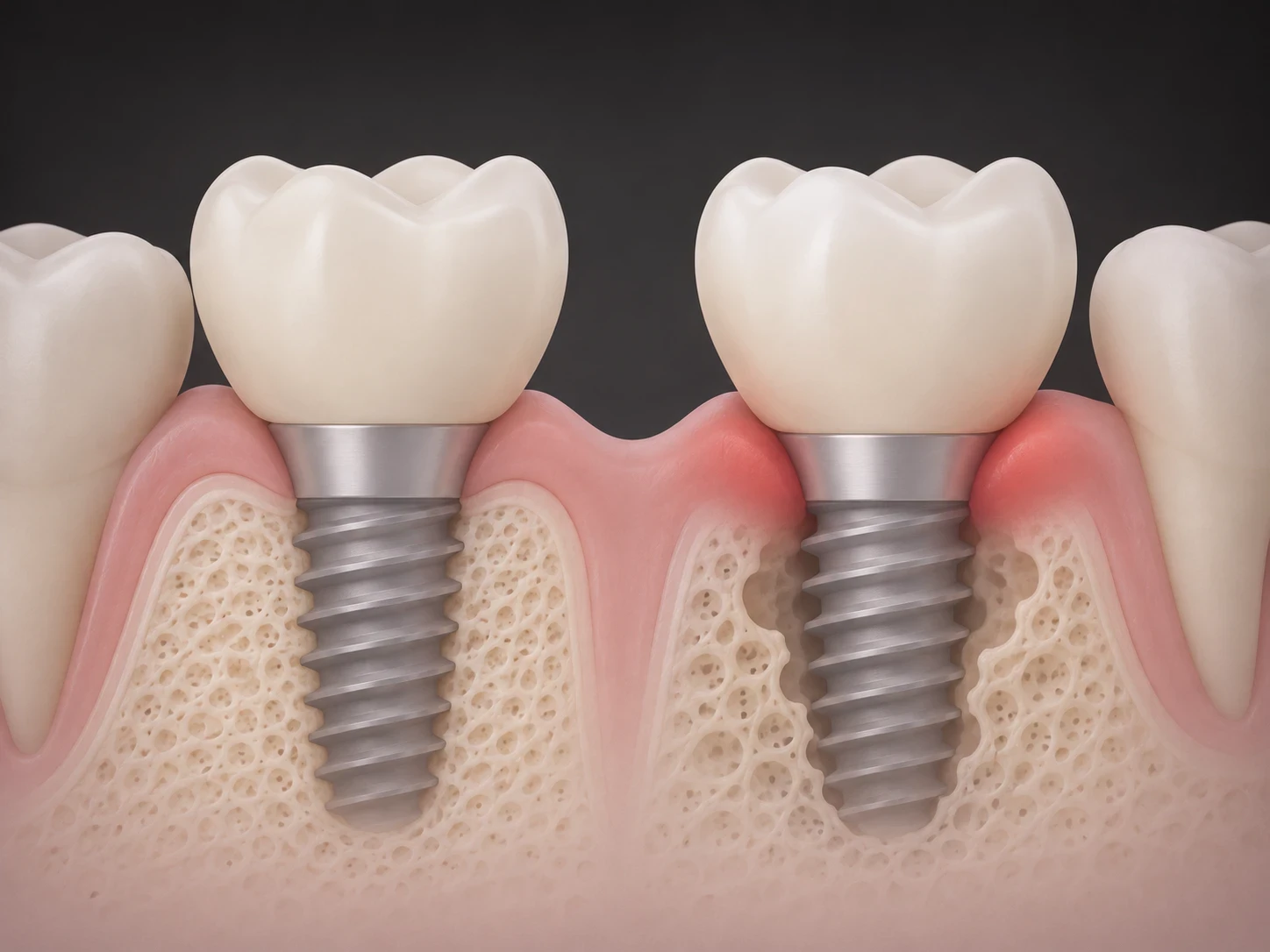
With an implant, an artificial root is placed in the alveolar bone (gum bone), and then the bone and implant go through a process of bonding together.
However, persistently high blood sugar can affect the wound healing process and the body's ability to fight infection. Because diabetes is also linked to gum inflammation, the condition of the gums must be examined as well.
For someone with diabetes, I look first at how well it is currently controlled rather than at the fact of the diagnosis itself.
In fact, I have had a patient with diabetes and high blood pressure who had also smoked, and it took longer than usual for the implant to settle into the bone.
In such cases, rather than rushing into surgery, I check recent test records and, if needed, review blood sugar control together with the patient's internal medicine physician.
2. Is it difficult to get implants if I take osteoporosis medication or injections?
Taking osteoporosis medication or receiving injections does not make every implant surgery difficult. However, some medications that suppress bone resorption are associated with osteonecrosis of the jaw, so the type of medication, the purpose of treatment, and your treatment history must be checked.
Some of the medications used to treat osteoporosis suppress the process by which bone is resorbed.
In people using these medications, a problem can rarely occur in which the jawbone does not heal normally and undergoes necrosis. This is called medication-related osteonecrosis of the jaw (MRONJ).
In particular, the level of risk may differ between using the medication to treat osteoporosis and using it for cancer-related bone disease.
I also check whether it is an oral medication or an injection, but the risk is not judged by the route of administration alone. We also need to look at which medication was used and for what purpose, and whether there are areas with gum inflammation or teeth that need to be extracted.
In these cases, I do not decide on surgery just by checking whether there is enough bone to place an implant. I also consider whether the conditions are right for the bone and gums to heal after surgery.
If you are taking osteoporosis medication, the surgical plan should be decided in consultation with the attending physician who prescribed it, such as in internal medicine or orthopedics.
Stopping the medication on your own or changing the timing of doses is not appropriate, because the need for and risks of adjusting medication differ depending on the patient's condition.
3. I take blood-thinning medication. Can I still get implants?
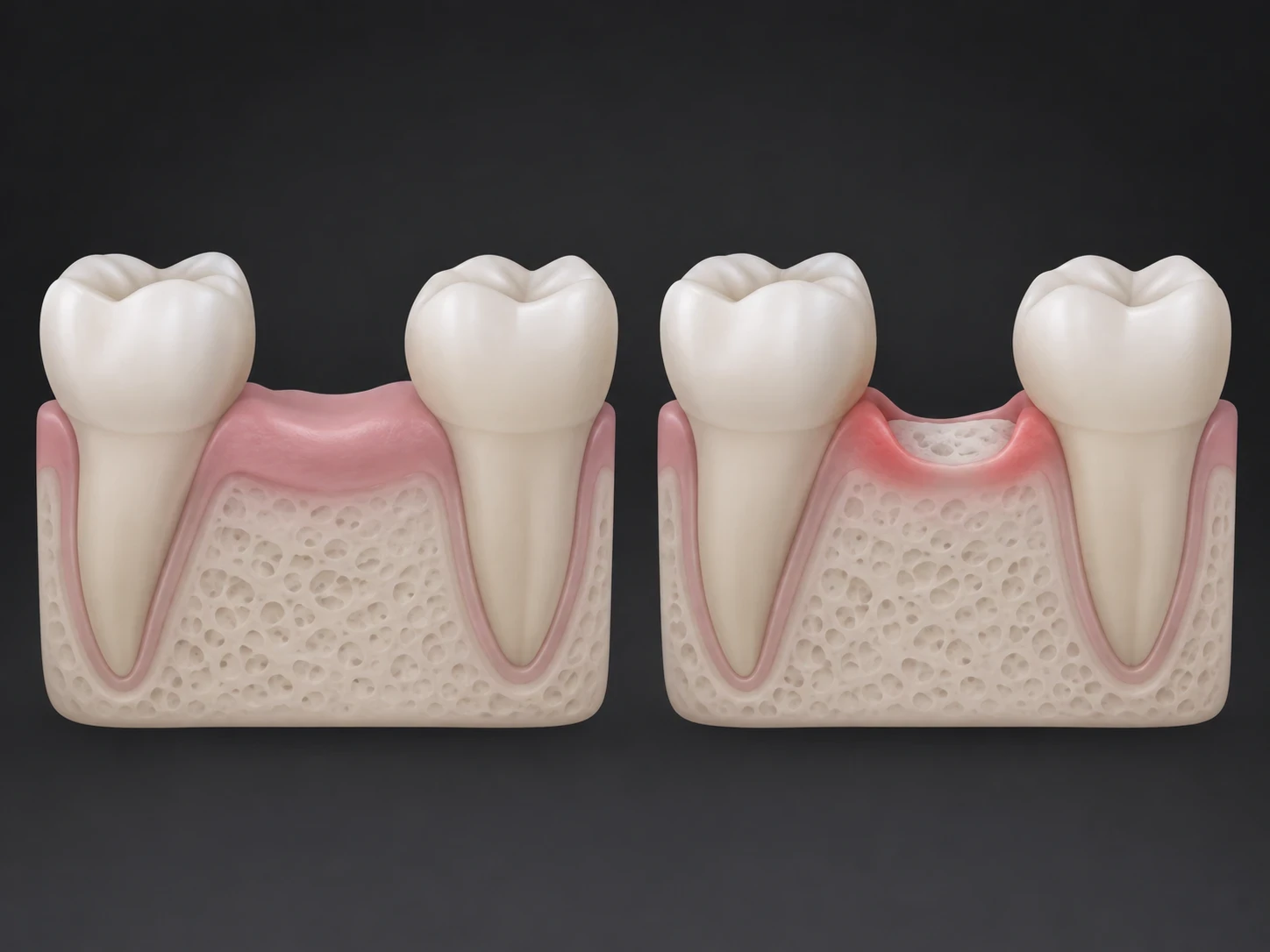
Even if you take blood-thinning medication (antiplatelet and anticoagulant drugs), dental surgery is often carried out while continuing the medication. However, bleeding can be harder to manage with some medications, so the purpose of the medication, blood test results, and the extent of surgery must all be checked.
In the past, blood-thinning medication was sometimes stopped before surgery, but nowadays the common approach is to continue the medication and take the necessary measures to stop bleeding.
These medications are prescribed to prevent blood clots. So if the medication is adjusted only out of concern about bleeding, the risk of blood clots or cardiovascular problems must also be considered.
I, too, often treat patients in our clinic after evaluating the characteristics of the medication and the extent of surgery, from those taking long-established antiplatelet drugs to those taking oral anticoagulants that have become available relatively recently.
But not every medication is judged the same way.
In particular, with some anticoagulants whose dose is adjusted according to blood test results, stopping bleeding after surgery can actually be difficult.
For these patients, after checking recent test results, bleeding risk, and the extent of surgery, I sometimes judge that treatment at the oral and maxillofacial surgery department of a university hospital is the better option.
Yonsei Gunho Dental Clinic works with the oral and maxillofacial surgery departments of university hospitals and makes referrals when needed.
The key is not to stop or continue the medication unconditionally, but to weigh bleeding risk and blood clot risk together in consultation with the prescribing doctor.
4. Is implant surgery possible if I have high blood pressure or heart disease?
Even with high blood pressure or heart disease, implants can be considered if the condition is stably managed. However, the timing and method of surgery may need to be adjusted depending on your current blood pressure, the state of your heart disease, and your medications.
During dental surgery, blood pressure and heart rate can change due to tension or pain.
Therefore, it is necessary to check whether blood pressure is usually well controlled in people with high blood pressure, and whether there are recent symptoms or treatment history in people with heart disease.
I believe that the larger the extent of surgery, the greater the recovery burden on the patient.
So for patients with systemic conditions, I consider the extent of surgery needed together with the burden the patient will have to bear.
Yonsei Gunho Dental Clinic has a separate operating room and monitoring equipment that can check blood pressure, pulse, and other signs during surgery.
If you feel severe anxiety about dental treatment, conscious sedation may also be considered. However, if you have heart disease or another systemic condition, whether sedation itself is suitable must be evaluated separately.
You can find related information on the Conscious Sedation page.
5. If I have a chronic condition, what tests and preparation are needed before implant surgery?
Before surgery, all current medical conditions and medications should be checked without omission, and imaging should be used to examine the alveolar bone and surrounding structures. If necessary, the surgical plan is decided with reference to the opinion of the attending physician who prescribed the medication.
Some people do not mention the medications they usually take because they think they have nothing to do with dental surgery.
In implant surgery, however, not only the type of medication but also the reason for taking it affects the decision.
| Item to check | Information to prepare | Why it is checked |
|---|---|---|
| Diabetes | Recent test records | Evaluate blood sugar control and healing risk |
| Osteoporosis | Type of oral medication or injection, purpose and history of treatment | Evaluate risk related to osteonecrosis of the jaw |
| Antiplatelet and anticoagulant drugs | Medication list and reasons for prescription | Weigh bleeding and blood clot risks together |
| High blood pressure and heart disease | Recent blood pressure records, diagnoses, treatment history | Evaluate overall health during surgery |
| Other medical history | Immunosuppressive treatment, history of chemotherapy and radiation therapy, smoking status | Check risks related to wound healing and infection |
| Oral condition | Gum examination, CT scan if needed | Check bone condition, nerves, and surrounding structures |
Once overall health has been checked, the next step is the site where the implant will be placed.
At Yonsei Gunho Dental Clinic, we use a Vatech CT before surgery to examine the condition of the alveolar bone and the position of the nerve canal, among other things. When needed, we also make a surgical guide with our in-house 3D printer.
When deciding where to place the implant, I also consider what tooth will eventually go on top of it.
To do this, I discuss the position and shape of the final prosthesis with Dr. Kim Kunmin, a board-certified prosthodontist, and plan bone grafting only where it is needed and only as much as is needed.
You can find the general sequence of implant treatment on the Implant Treatment Process page, and how decisions are made when alveolar bone is insufficient on the Implant Bone Graft page.
6. Do implants fail sooner if I have diabetes or a chronic condition? What can I do to make them last?
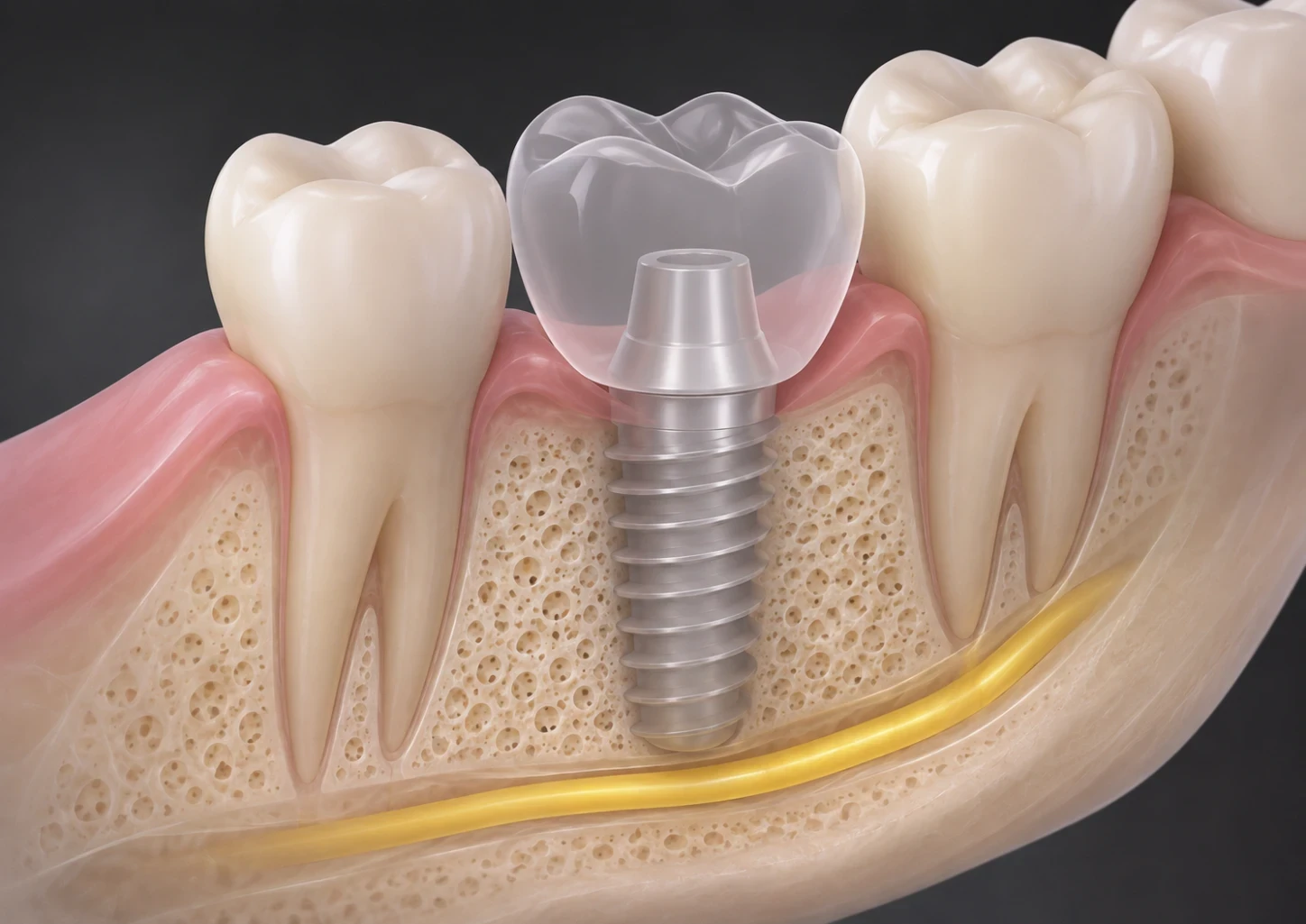
Having a chronic condition does not by itself mean an implant will necessarily fail sooner. However, uncontrolled diabetes, smoking, gum inflammation, and poor care can have an adverse effect on the tissues around the implant.
With implants, how they are cared for afterward matters as much as the moment they are placed.
People with diabetes in particular need to keep managing blood sugar and gum health not only before surgery but also after it.
Smoking can also have a negative effect on wound healing and the tissues around the implant.
This is why, when I explain the causes of early implant failure, I also check for diabetes, smoking, and a history of immunosuppressive treatment.
There is one more thing to keep in mind.
Even if the bone around an implant is decreasing, the implant may not feel loose from the outside.
Because implants are structured differently from natural teeth, the absence of pain or looseness alone does not mean the surrounding gums and bone are healthy.
That is why gum inflammation, changes in the surrounding bone, the prosthesis, and chewing forces should all be checked regularly.
If looseness or inflammation has already developed, you can look at treatment approaches by cause on the Implant Revision Surgery page.
If implants are not suitable because of a systemic condition or the burden of surgery, other prosthetic treatments are also an option. It may help to also learn the differences between Partial Dentures vs. Implants.
In Closing
Depending on test results, postponing implant surgery for now can also be part of the treatment plan.
If needed, I will review your condition together with the attending physician who prescribed your medication or a university hospital, and determine the appropriate direction for you.
This has been Dr. Park Ji-ho, board-certified oral and maxillofacial surgeon at Yonsei Gunho Dental Clinic in Jamsilsaenae.